Understanding Common Wine Varieties: A Guide to Merlot and Other Popular Red Wines
Wine has been enjoyed for thousands of years and is produced in many different styles around the world. From light and fruity reds to rich and full-bodied blends, understanding common wine varieties can help you appreciate the unique characteristics that make each wine different.
One of the most widely recognised red wine varieties is Merlot, a versatile grape known for its approachable flavour profile and smooth texture.
In this guide, we’ll explore Merlot alongside several other popular red wine varieties to help you better understand the world of wine.
What Is a Wine Variety?
A wine variety refers to the specific type of grape used to make the wine.
Each grape variety has its own characteristics, including:
- Flavour profile
- Aroma
- Acidity
- Tannin levels
- Colour
- Ageing potential
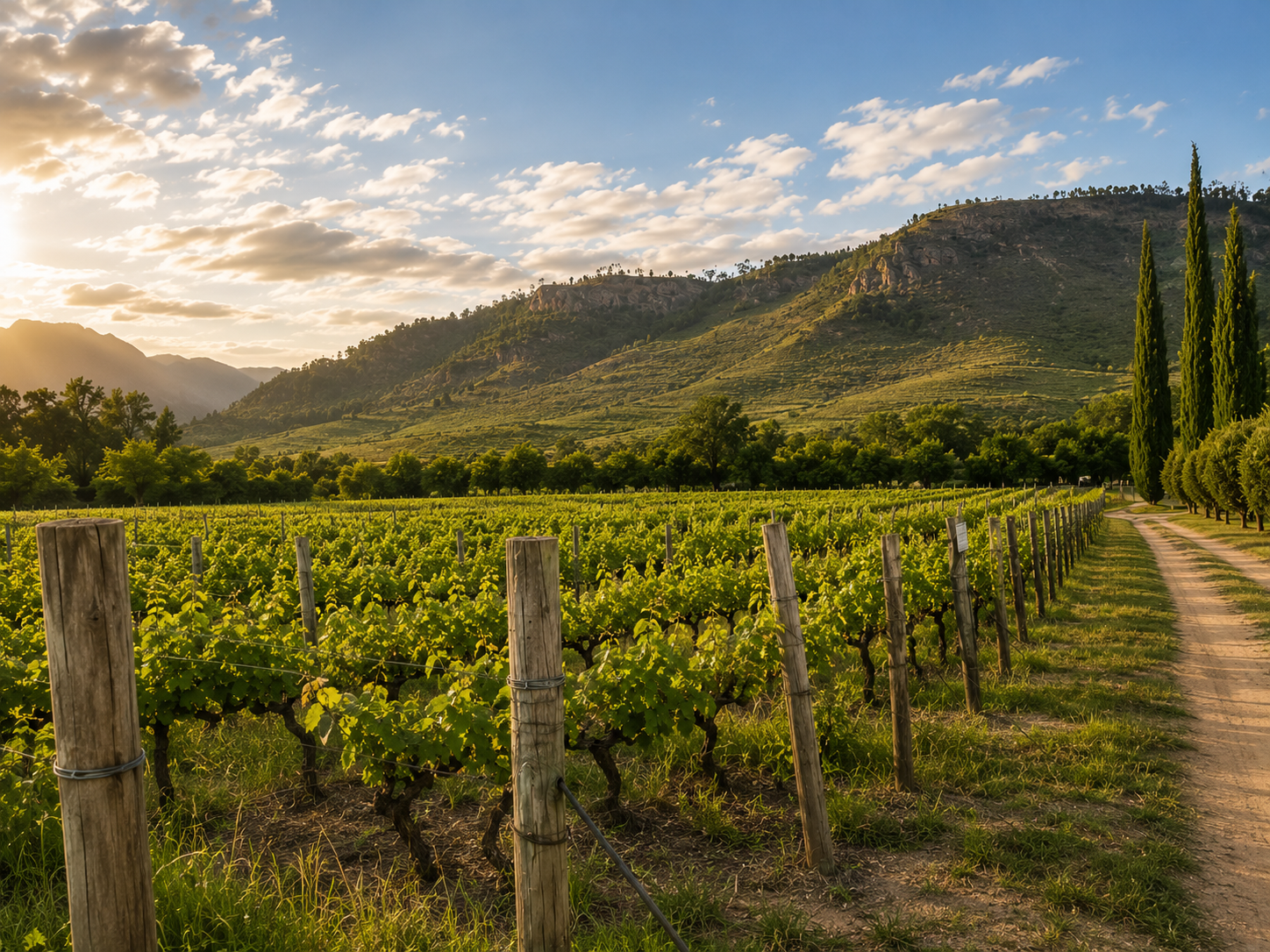
Factors such as climate, soil, winemaking techniques and ageing methods also influence the final style of the wine.
Understanding Merlot
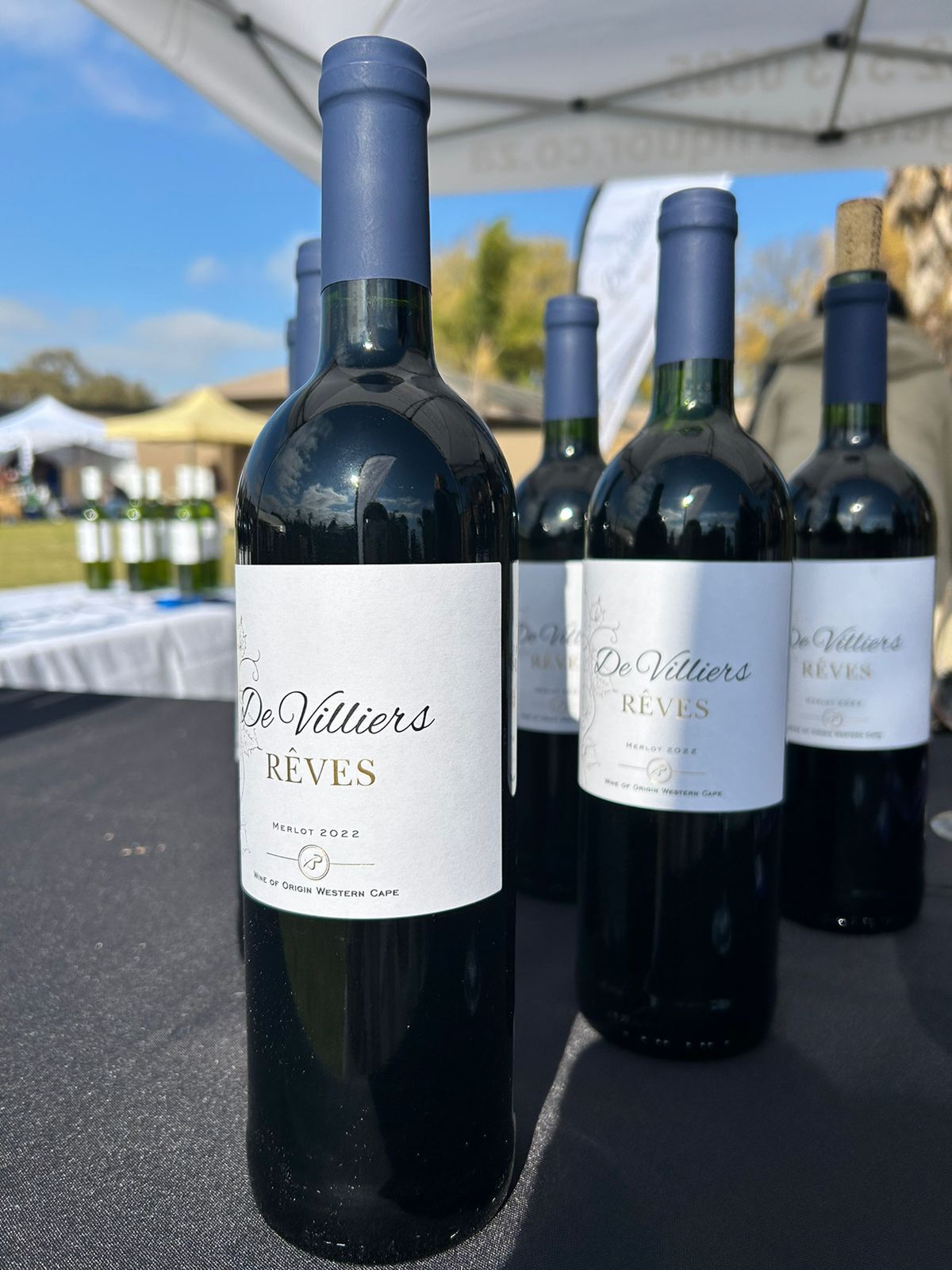
Merlot is one of the world’s most popular red wine grape varieties.
Originally from the Bordeaux region of France, Merlot is now cultivated in many wine-producing countries, including South Africa, Italy, the United States, Chile and Australia.
Merlot is often appreciated for its soft tannins, medium body and approachable character.
Common Flavour Notes
Merlot wines may feature aromas and flavours such as:
- Plum
- Black cherry
- Blackberry
- Raspberry
- Chocolate
- Vanilla
- Cedar
- Herbs
The flavour profile can vary depending on climate and ageing techniques.
Cooler climate Merlots often display more herbal and red fruit characteristics, while warmer climates tend to produce richer, darker fruit flavours.
Tannin and Acidity
Merlot generally offers:
- Medium tannins
- Medium acidity
- Smooth texture
These characteristics make Merlot accessible to both new and experienced wine enthusiasts.
Cabernet Sauvignon
Cabernet Sauvignon is one of the most widely planted red wine grapes globally.
Known for its structure and ageing potential, Cabernet Sauvignon typically has:
- High tannins
- Medium to high acidity
- Full body
Common Flavour Notes
- Blackcurrant
- Blackberry
- Cedar
- Tobacco
- Mint
- Dark chocolate
Cabernet Sauvignon often benefits from bottle ageing, which can help soften its tannins over time.
Pinotage
Pinotage is a uniquely South African grape variety created by crossing Pinot Noir and Cinsaut.
It has become an important part of South Africa’s wine heritage.
Common Flavour Notes
- Dark berries
- Plum
- Smoke
- Earthy notes
- Spice
Pinotage styles vary widely, ranging from lighter fruit-driven wines to more complex expressions.
Shiraz / Syrah
Known as Syrah in France and Shiraz in many other regions, this variety produces bold and expressive wines.
Common Flavour Notes
- Blackberry
- Black pepper
- Plum
- Smoked meat
- Herbs
Shiraz wines often display medium to high tannins and a full-bodied profile.
Pinot Noir
Pinot Noir is known for producing elegant and lighter-bodied red wines.
The grape is sensitive to climate and can be challenging to cultivate.
Common Flavour Notes
- Cherry
- Strawberry
- Raspberry
- Mushroom
- Forest floor
Pinot Noir typically offers:
- Light to medium body
- Lower tannins
- Bright acidity
Malbec
Originally from France but widely associated with Argentina, Malbec produces rich, fruit-forward wines.
Common Flavour Notes
- Blackberry
- Plum
- Cocoa
- Violet
- Spice
Malbec is generally medium to full-bodied with moderate tannins.
How Climate Influences Wine
Climate plays a major role in determining how a wine tastes.
Cooler Climates Often Produce:
- Higher acidity
- Lower alcohol levels
- More subtle fruit flavours
Warmer Climates Often Produce:
- Riper fruit flavours
- Fuller body
- Higher alcohol levels
This is why the same grape variety can taste different depending on where it is grown.
Understanding Tannins
Tannins are naturally occurring compounds found in grape skins, seeds and stems.
They contribute to a wine’s structure and mouthfeel.
High-tannin wines may feel drier or firmer, while lower-tannin wines often feel softer and smoother.
Examples:
- Higher tannins: Cabernet Sauvignon, Syrah
- Medium tannins: Merlot, Malbec
- Lower tannins: Pinot Noir
Understanding Acidity
Acidity provides freshness and balance in wine.
Higher-acid wines often feel brighter and more vibrant, while lower-acid wines may feel softer and rounder.
Acidity also influences a wine’s ageing potential.
Frequently Asked Questions
Is Merlot a sweet wine?
Most Merlot wines are considered dry, meaning they contain little residual sugar. However, the ripe fruit flavours can create the impression of sweetness.
What makes Merlot different from Cabernet Sauvignon?
Merlot generally has softer tannins and a smoother texture, while Cabernet Sauvignon tends to be more structured and tannic.
What is South Africa’s signature red wine grape?
Pinotage is widely recognised as South Africa’s signature grape variety.
Which red wine variety is best for beginners?
Many people find Merlot approachable due to its softer tannins and fruit-forward character.
Why do wines from different regions taste different?
Climate, soil, altitude and winemaking techniques all influence the final flavour profile of a wine.
Final Thoughts
Understanding different wine varieties helps build appreciation for the diversity and craftsmanship involved in winemaking.
Whether you’re exploring a smooth Merlot, a structured Cabernet Sauvignon or a uniquely South African Pinotage, each variety offers a distinctive experience shaped by its grape, region and production methods.
The best way to learn about wine is through exploration, comparing different varieties and discovering the styles that appeal to your personal preferences.