Understanding Bulk Wine Supply and Private-Label Wine Solutions in South Africa
The South African wine industry is recognised globally for its rich heritage, diverse growing regions, and established production expertise. Beyond traditional retail brands, an increasing number of hospitality businesses, retailers, distributors, and corporate organisations are exploring private-label wine programmes and bulk supply solutions.
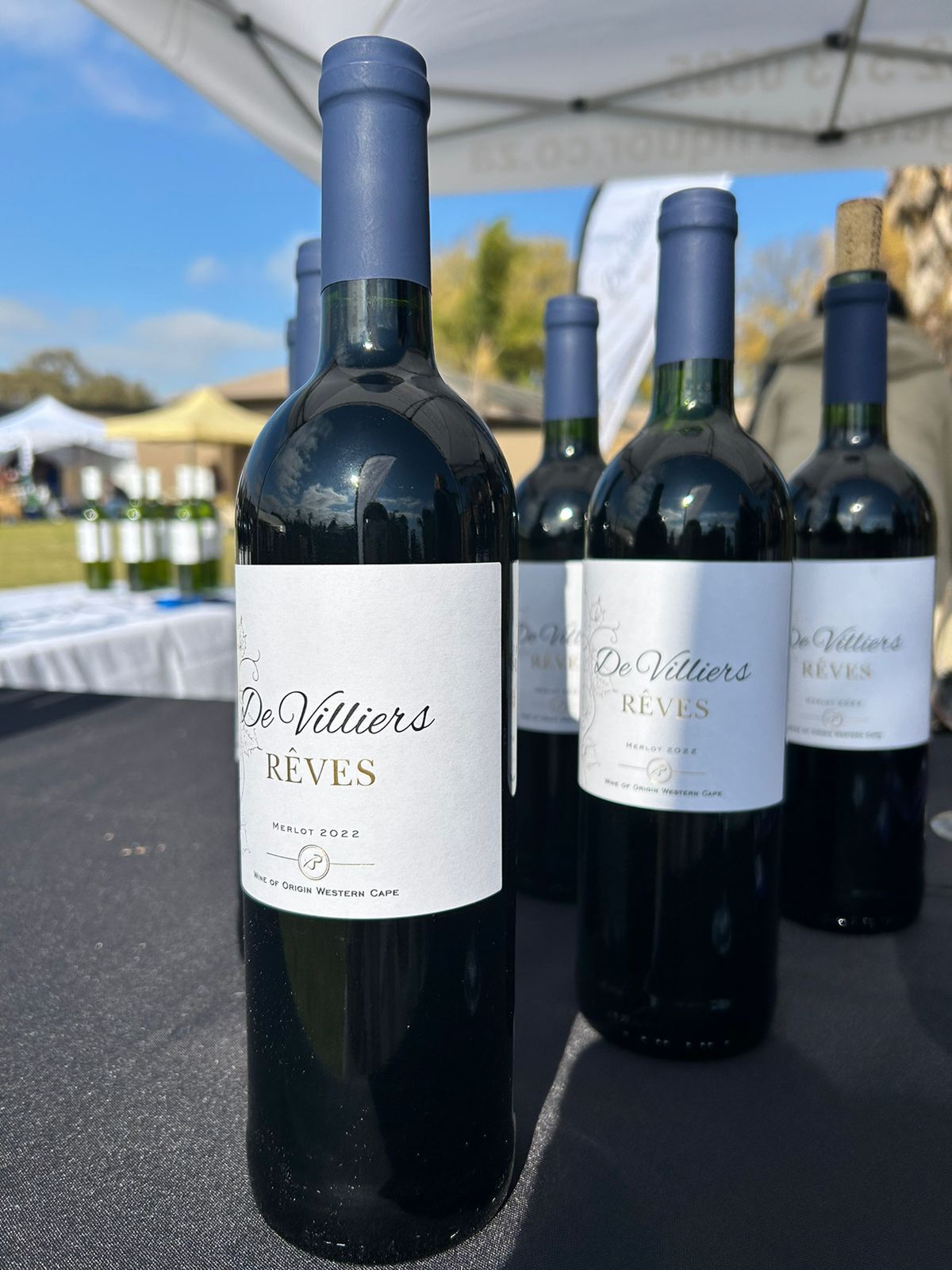
Private-label wine allows businesses to develop a custom-branded product while partnering with experienced producers for sourcing, packaging, and production.
Whether for a boutique lodge, restaurant group, corporate gifting programme, or retail brand, private-label solutions provide an opportunity to create a wine range that reflects a specific identity, story, or customer experience.
What Is Private-Label Wine?
Private-label wine refers to wine produced by an established winery or supplier and packaged under another company’s brand.
Rather than managing vineyards, production facilities, and bottling operations independently, businesses collaborate with an experienced partner to develop a product aligned with their requirements.
A private-label programme typically includes:
- Wine selection
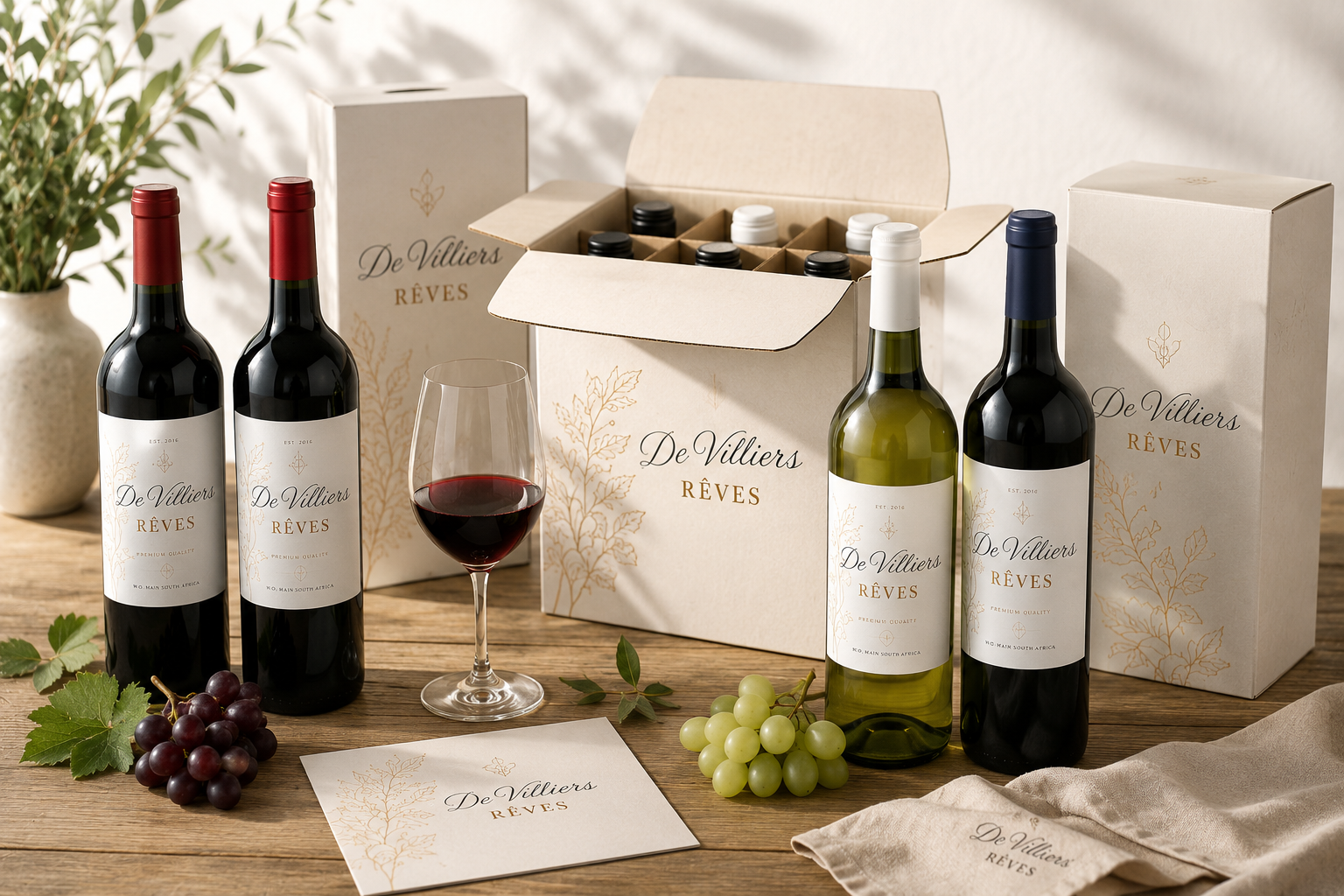
- Label design and branding
- Packaging options
- Bottling and production coordination
- Compliance and regulatory support
- Logistics and supply planning
This approach enables businesses to focus on brand development and customer experience while relying on industry expertise throughout the production process.
Who Uses Private-Label Wine Solutions?
Private-label wine programmes are used across multiple industries.
Common examples include:
Hospitality Businesses
Hotels, lodges, guest houses, and restaurants often develop custom-branded wines to enhance their guest experience and strengthen brand recognition.
A bespoke label can complement a venue’s identity while providing a unique offering for guests.
Retailers and Distributors
Retail businesses may choose private-label products to create exclusive ranges tailored to their target market.
This approach allows retailers to build brand loyalty and differentiate themselves within a competitive marketplace.
Corporate Organisations
Companies frequently explore custom-branded products for client gifting, events, staff recognition programmes, and special occasions.
Private-label packaging can be tailored to align with brand guidelines and event requirements.
Special Events and Celebrations
Private-label options are also used for commemorative purposes, including weddings, anniversaries, milestone celebrations, and corporate events.
Minimum order quantities generally apply depending on packaging specifications and production requirements.
Understanding Bulk Wine Supply
Bulk wine supply involves sourcing wine in larger volumes for packaging, bottling, or custom branding.
Wine may be supplied in various formats depending on operational requirements and production capabilities.
Bulk supply solutions can support:
- Private-label programmes
- Hospitality groups
- Retail distribution networks
- Export markets
- Corporate projects
Reliable supply planning is an important consideration, particularly for businesses requiring product consistency across multiple locations or over extended periods.
The Private-Label Development Process
While every project differs, most private-label programmes follow a structured process.
1. Consultation and Project Planning
The process begins with understanding the client’s objectives, target audience, packaging requirements, and expected volumes.
Key considerations may include:
- Brand positioning
- Intended market
- Packaging preferences
- Production timelines
- Volume requirements
2. Wine Selection
Different varietals and styles may be considered depending on the project.
Factors influencing selection can include:
- Regional characteristics
- Vintage availability
- Product consistency
- Food service requirements
- Customer preferences
3. Label and Packaging Development
Packaging plays an important role in communicating a brand’s identity.
This stage may include:
- Label design
- Bottle selection
- Closure options
- Carton configuration
- Packaging specifications
All packaging elements must comply with applicable regulations and labelling requirements.
4. Production and Quality Assurance
Once approved, production and bottling can begin.
Quality control processes typically focus on:
- Product consistency
- Packaging accuracy
- Regulatory compliance
- Production standards
5. Distribution and Delivery
Coordinated logistics ensure products are delivered according to agreed timelines and operational requirements.
Supply planning can help businesses maintain continuity throughout the year.
The Importance of Long-Term Supply Partnerships
Consistency is essential for businesses operating within hospitality and retail environments.
Working with an experienced supply partner can help organisations manage:
- Forecasting and inventory planning
- Seasonal demand fluctuations
- Packaging requirements
- Regulatory changes
- Ongoing product consistency
Long-term relationships also allow brands to evolve their product offering over time while maintaining continuity.
South Africa’s Advantage in Private-Label Production
South Africa offers several advantages for private-label and bulk wine projects.
These include:
- Established wine-growing regions
- Diverse varietals and styles
- Experienced production infrastructure
- International export capabilities
- Strong agricultural expertise
The Western Cape remains one of the country’s leading wine-producing regions, with diverse climates and soil types contributing to a wide range of wine styles.
Choosing the Right Private-Label Partner
Selecting the right partner is an important step in any private-label project.
Considerations may include:
- Production capacity
- Quality assurance processes
- Packaging capabilities
- Industry experience
- Supply chain reliability
- Regulatory knowledge
Clear communication, transparent timelines, and collaborative planning contribute to successful outcomes.
Looking Ahead
As businesses continue to seek customised experiences and differentiated branding opportunities, private-label programmes are expected to remain an important part of the wine industry.
For hospitality venues, retailers, distributors, and corporate organisations, custom-branded solutions offer a practical way to align products with their brand identity while benefiting from established production expertise.
Successful projects rely on strong partnerships, careful planning, and a commitment to quality throughout every stage of the process.
Frequently Asked Questions
What is private-label wine?
Private-label wine is produced by an established supplier and packaged under another company’s brand name.
Who can develop a private-label wine range?
Hospitality venues, retailers, distributors, corporate organisations, and event planners commonly use private-label programmes.
Are minimum order quantities required?
Yes. Minimum quantities vary depending on the wine selected, packaging specifications, and production requirements.
Can labels and packaging be customised?
Private-label projects can include customised labels, bottle formats, packaging options, and branding elements, subject to regulatory requirements.
Can private-label wines be supplied to lodges and restaurants?
Yes. Hospitality businesses often use private-label programmes to create branded offerings aligned with their guest experience.
What types of wines are available?
Available varietals and styles depend on seasonal availability, production capacity, and project requirements.
How long does the private-label process take?
Timelines vary depending on packaging requirements, design approval, production schedules, and order volumes.
Can private-label wine be exported?
Export options depend on destination market regulations, compliance requirements, and logistics arrangements.
What information is needed to start a project?
Typical requirements include estimated volumes, packaging preferences, branding objectives, and intended timelines.
How can businesses learn more about bulk supply options?
Businesses should contact the supplier directly to discuss available varietals, minimum order quantities, production timelines, and project requirements.
Who manages distribution and fulfilment?
Distribution and fulfilment are supported through our partnership with Bridgewater Liquor, helping ensure efficient order processing, logistics coordination, and reliable delivery.
Distribution capabilities may vary depending on order volumes, destination requirements, and project specifications. Clients are encouraged to discuss their location, quantity requirements, and timelines during the planning process.